September 22, 2026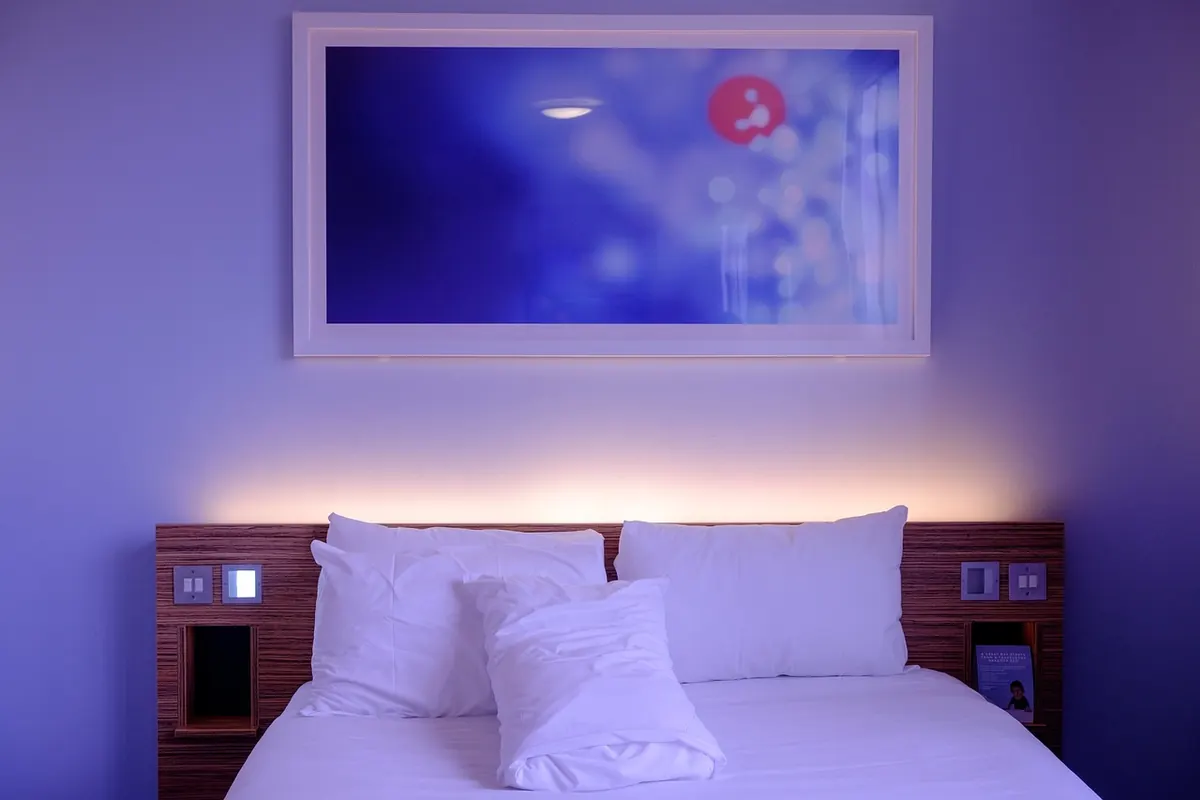
Three prints of the same photograph, hung on three walls, will not look alike in five years. One will still feel soft and painterly, one will be protected behind glass, and one will look almost backlit, its colors sitting right at the surface. The image is identical. The material is doing all the work.
Canvas, framed paper, and metal are the three workhorses of wall art, and each one solves a different problem. Choosing between them comes down to four practical questions: how much light hits the wall, how much upkeep you want, how you want the piece to feel, and what you are willing to spend once framing and hanging are factored in. Here is how the three compare.
Canvas Prints: Texture, Warmth, and Forgiveness
Canvas is a printed fabric stretched over a wooden frame, usually with the image wrapped around the edges so no frame is required. The weave gives it a soft, slightly textured surface that flatters portraits, landscapes, and anything painterly. Because there is no glass, there is no glare, which makes canvas an easy choice for a wall opposite a window or above a sofa where you will be looking at the piece from an angle.
The trade-offs are subtle but real. Colors read a touch softer and more matte than on glossy paper, and fine detail loses a little crispness compared with a metal or paper print. Canvas can also slacken over time, especially in rooms with big swings in humidity, and dust settles into the weave rather than sitting on top of it. Look for prints described as archival or pigment-based if longevity matters, and choose a thicker stretcher bar for large sizes so the piece does not bow.
You can hang canvas bare, or set it inside a floater frame, which leaves a small gap between the canvas edge and the frame. That gap is a nice detail in a modern room and adds visual weight in a traditional one.
Framed Prints: The Classic You Can Change Your Mind About
A framed print puts paper behind glass or acrylic, with a mat in between if you like. That structure gives you options no other material offers. You can swap the artwork without replacing the frame, change the mat color, or move the piece to a different room and reframe it entirely.
Paper quality and glazing matter more than people expect. A heavy matte paper in a wide mat reads as gallery-quality; a thin glossy sheet in a skinny metal frame reads like a poster, which may be exactly what you want. Non-glare glass reduces reflections but can slightly mute contrast. Acrylic is lighter and resists breaking, which matters for large pieces and upstairs hallways.
Ask for spacers if the piece is large or valuable. Spacers hold the glazing off the paper so the print never touches the glass, which prevents sticking and condensation marks. And avoid hanging framed work where direct sun will hit it all afternoon, since both paper and inks will fade over time.
Where Framed Prints Struggle
Glare and weight. In a bright room, a glossy glaze turns into a mirror by mid-afternoon. Frames also add bulk: a heavy frame around a small print can overwhelm it, and a wide mat plus glass plus frame gets genuinely heavy for anything over about 24 by 36 inches.
Metal Prints: Saturated Color, Thin Profile
Metal prints are made by infusing dyes into a specially coated aluminum sheet, so the image becomes part of the surface rather than sitting on top of it. The result is deep contrast, vivid color, and a very slim profile, often with a float mount that holds the panel slightly off the wall so it appears to hover.
Metal suits bold subjects: architecture, black-and-white photography, abstract color, anything with strong lines and contrast. Matte and satin finishes cut down reflections considerably, while glossy finishes are the most mirror-like of the three options. The surface can scratch, and the corners are sharp, so handle it carefully during installation and keep it away from a walkway where bags and elbows swing.
Metal handles humid rooms better than paper, which makes it a reasonable pick for a bathroom or a covered porch, though standing water and harsh cleaners should still stay away from it.
Durability and Maintenance, Side by Side
All three will last for years if you keep them out of direct sun and off damp walls. Day-to-day care is where they differ:
- Canvas: Dust with a soft dry brush or a vacuum brush attachment on the lowest setting. Never wet-wipe it. If it sags, a framer can re-stretch it; do not try to iron the front.
- Framed prints: Wipe the frame with a dry cloth. Spray glass cleaner onto the cloth, not the glass, so liquid never runs behind the frame. Never dry-wipe acrylic with paper towels, which leaves fine scratches.
- Metal prints: A damp microfiber cloth with a drop of mild soap is enough. Skip ammonia and abrasive pads. Matte finishes hide fingerprints far better than glossy ones.
What You Actually Pay For
Canvas and framed paper prints often land in a similar range once you add up the parts, but the money goes to different places. Canvas arrives ready to hang. Framed prints are usually cheap to print and expensive to finish: custom sizes, mats, glazing, and labor often cost more than the artwork itself. Metal prints carry a higher base price per square inch, but there is no framing to add, which can balance out at larger sizes.
Three ways to keep costs sensible: stick to standard frame sizes so you can buy ready-made frames, order a print and frame it yourself with an archival mat, or spend the money on one large statement piece instead of three mid-sized ones.
Matching the Material to the Room
Light decides more than taste does. A wall that takes direct afternoon sun is unkind to paper and canvas; that is where a metal print or a UV-protected framed piece earns its keep. Rooms with heavy humidity favor metal or canvas over paper behind glass, since moisture can get trapped inside a frame.
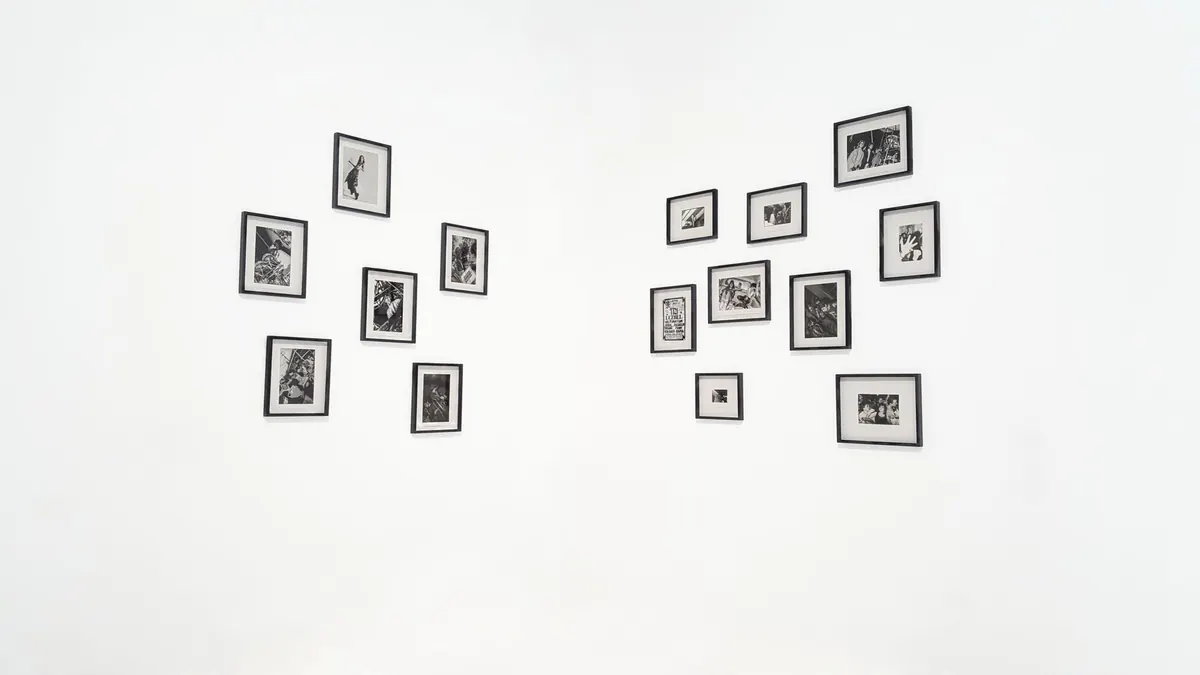
Style matters too. Canvas softens a space and suits layered, comfortable rooms. Framed prints bring structure and tradition and work well in multiples, such as a grid of six small prints above a desk. Metal reads contemporary and graphic, and it looks best when it is allowed to stand alone on a quiet wall.
Choosing Yours
If glare is your main frustration and you want color that grabs the room, go metal. If you want warmth, texture, and something that arrives ready to hang, choose canvas. If you like the idea of changing the artwork inside the frame, or you want a mat and a proper gallery look, choose framed paper.
Whichever you pick, buy the size that fits the wall before you fall in love with the image. A useful guideline is to make the art roughly two-thirds to three-quarters the width of the furniture below it, and to hang the center of the piece at about eye level, generally 57 to 60 inches from the floor. Tape the dimensions on the wall with painter's tape first. It costs nothing and prevents the most common decorating regret.
Photo: Pexels / Pixabay