September 21, 2026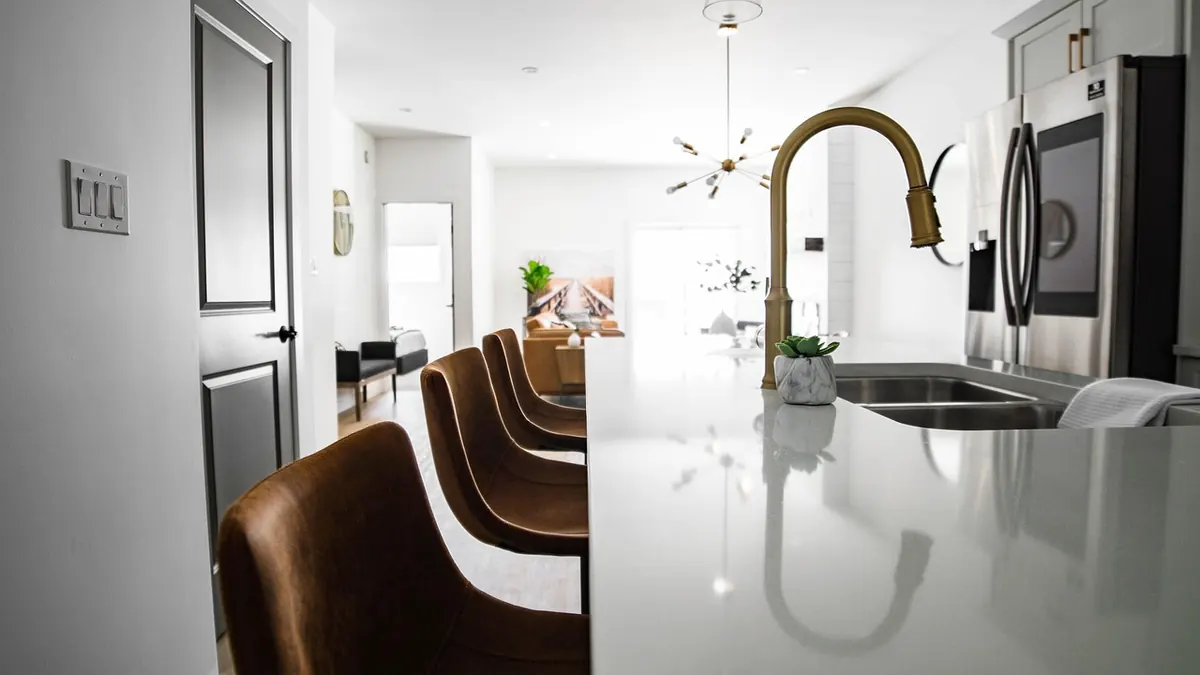
A kitchen can look beautiful in a photo and still be exhausting to cook in. Drawers that stick, a dark corner over the sink, a counter buried under mail — none of that shows up in a wide shot, but you feel it every night at six o'clock. The encouraging part is that style and function usually want the same things: clear surfaces, good light, and a handful of pieces you genuinely like looking at.
Use this as a working checklist. Print it, tape it inside a cabinet door, and tackle one line at a time. You do not need to renovate anything to make the room feel considered.
Countertops: Decorate Less, Choose Better
The counter is the hardest-working surface in the house, which means anything living there is competing with your cutting board. A useful rule: keep about two-thirds of every stretch of counter clear, and gather the rest into one or two deliberate clusters instead of scattering objects edge to edge.
What earns a permanent spot
- A tray or wood board that corrals oil, salt, pepper, and a spoon rest — so you can lift the whole group when you need space
- One plant or a pot of herbs you actually use
- A single bowl for fruit or keys
- A small lamp or candle for warmth after dark
- A cookbook stand or one framed print leaning against the backsplash
What usually needs to go
Oversized knife blocks, the appliance graveyard (waffle iron, blender, toaster oven, panini press), paper piles, and decorative signs that say things. Pick the two appliances you use weekly and store the rest. If you cannot bear to lose the coffee maker, fine — but then the knife block goes in a drawer.
Ask of every object: does it help me cook, or does it just fill space? Decor that survives that question usually looks better anyway.
Walls: Art, Shelving, and the Backsplash Zone
Kitchen walls are chopped up by cabinets, windows, and the range hood, so standard gallery-wall advice does not always translate. Work with the gaps you have rather than forcing a grid.
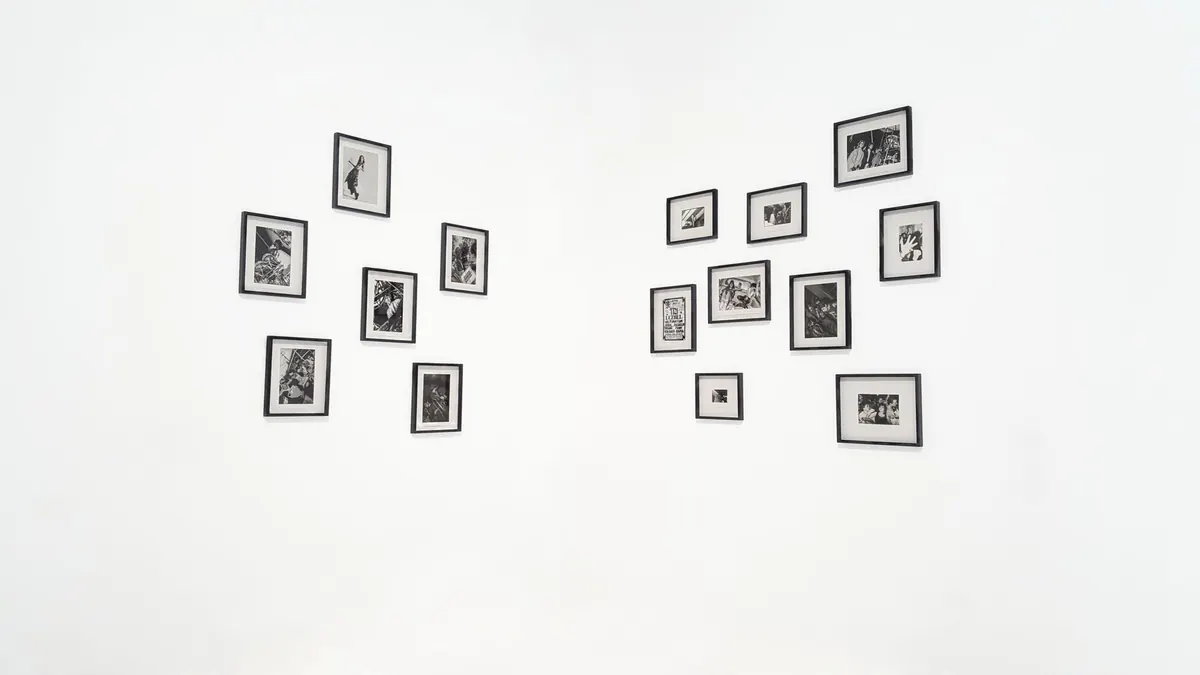
As a general guide, art should fill roughly two-thirds of the wall width it sits above; anything much smaller looks lost, and anything wider crowds the cabinets. Hang the bottom edge 6 to 8 inches above the tallest item below it, or align the top with the cabinet line for a cleaner look.
Placement that survives real cooking
- Skip delicate watercolors and unsealed paper directly beside the stove — steam and grease find them
- Choose canvas, metal, glass, ceramic plates, or a framed print behind glass for high-splash zones
- Try a stacked pair of small prints instead of one wide piece on a narrow wall
- Add a slim shelf above the window for small pots or jars; it uses dead space without blocking light
- If you cannot drill, lean a framed print on the counter against the wall and anchor it with a small easel
Lighting: Plan Three Layers, Then Pick Fixtures
Most kitchens have one bright ceiling light and shadows everywhere else. Three layers fix that.
Ambient
The general ceiling light. A flush mount or recessed fixtures work; just avoid a single bulb directly behind your head, which casts your own shadow onto the counter.
Task
Under-cabinet strip lights over the prep area, and a pendant or two over a sink or island. If you can put under-cabinet lights on a dimmer, do it — full brightness is for chopping, low brightness is for the last glass of wine.
Accent
A small counter lamp, a picture light over a print, or a warm bulb in a glass cabinet. Warm bulbs (around 2700K) flatter wood, stone, and skin tones; cooler light reads crisp and clinical. Before buying anything, swap one bulb in an existing fixture and see how the room changes.
Organization: Build Zones, Then Hide the Clutter
Good-looking kitchens are usually well-zoned kitchens. Group by activity rather than by category.
- Prep zone: cutting boards, knives, bowls, compost or bin nearby
- Cooking zone: oils, spices, utensils, potholders within arm's reach of the hob
- Cleaning zone: dish soap, brush, drying rack, and a place for wet cloths
- Landing zone: a tray or basket near the door for mail, keys, and chargers — so they never migrate to the counter
Fast fixes that make a visible difference
- Empty one drawer completely, then return only what you have used in the past month.
- Decant dry goods into matching clear jars and label the lids. Decanting is about sightlines as much as freshness.
- Add a turntable to deep corner cabinets so you stop losing jars at the back.
- Mount cutting boards or a rail on the side of a cabinet instead of stacking them on the counter.
- Match your hangers — same clips, same hooks, same baskets — and the interior of the cabinets starts to feel intentional too.
Finishing Touches: Texture, Color, and Hardware
Once surfaces are clear, small changes carry more weight. Choose a simple palette — two neutrals plus one accent — and repeat it three times in the room, say in a runner, a set of towels, and a ceramic crock.
A machine-washable runner in front of the sink softens hard flooring and saves your feet. Swap cabinet knobs if the originals date the room; measure the hole spacing first (common sizes are 3 inches and 96 millimeters) so the new ones fit existing holes. Add one or two natural textures — a woven basket, a wooden board, a linen towel — and one living thing. That is usually enough.
The Printable Checklist
- Clear two-thirds of every counter; group the rest on trays
- Remove appliances used less than weekly
- Hang or lean art at the right height, in splash-safe materials
- Add under-cabinet task lighting; warm the bulb color
- Zone prep, cooking, cleaning, and landing areas
- Decant and label dry goods; add a turntable to corner cabinets
- Choose a three-color palette and repeat it
- Add a washable runner, a basket, and one plant
- Replace hardware if the finish feels dated
Start Here If You Only Have an Afternoon
Empty the counters onto the table, put back only what you used this week, and wipe everything down. Then swap a single cool-white bulb for a warm one and stand back. Those two moves take under an hour and change how the whole room reads. Save the art, lighting, and hardware for a second pass, and you will end up with a kitchen that is easier to cook in and better to look at — which is really the whole point.
Photo: justinedgecreative / Pixabay